About Media Lab
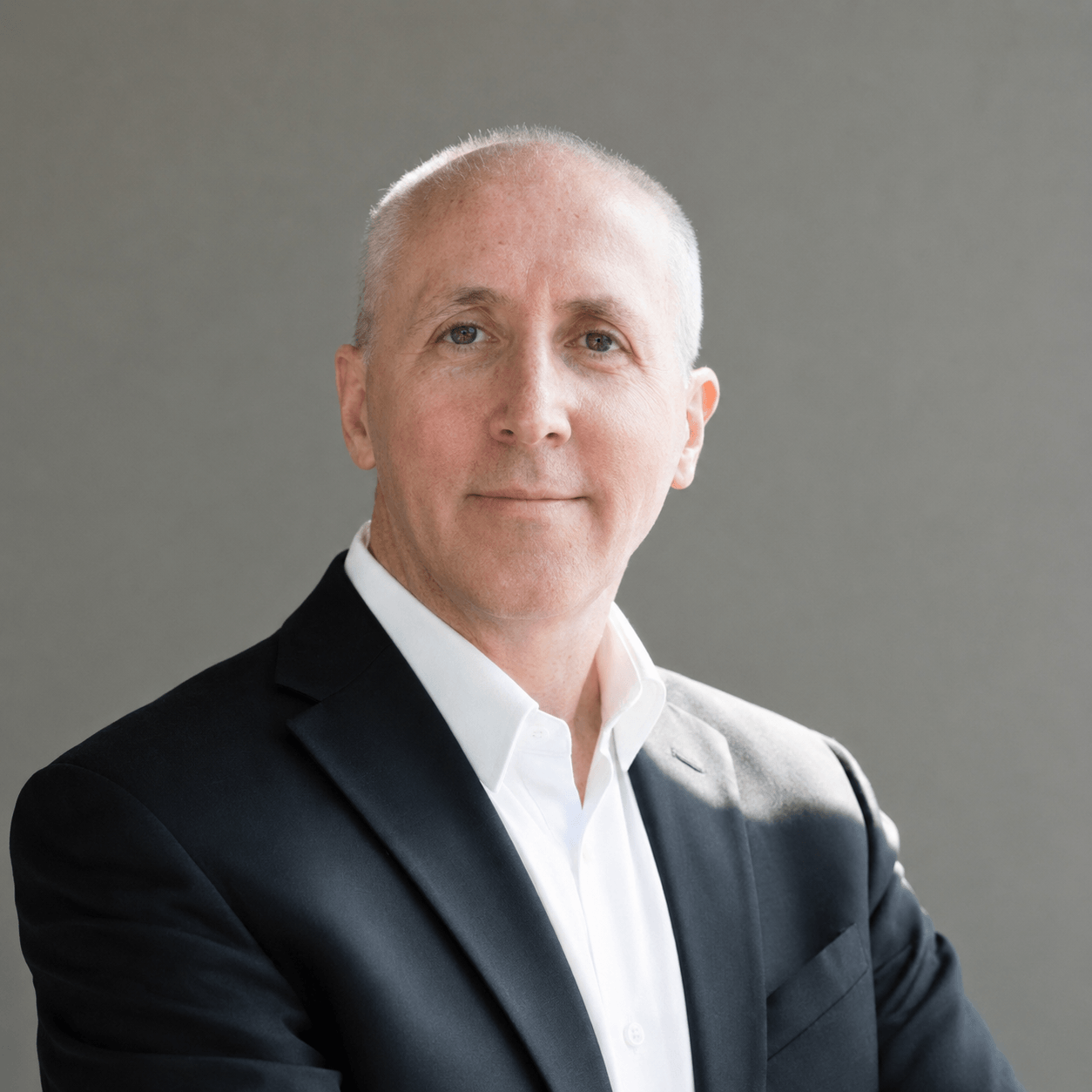
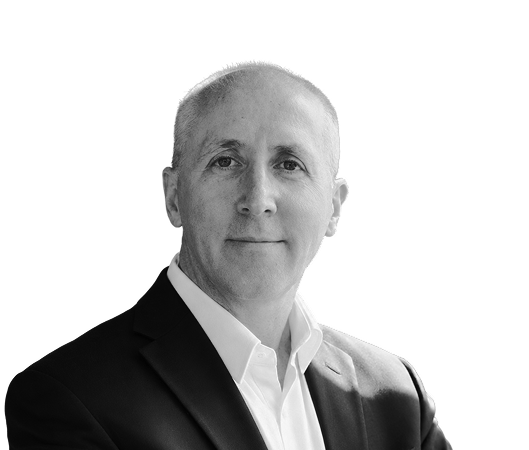
Media Lab S.p.A. (mlsw.com) is an Italian software company founded in 1994, with its registered office in Milan and its headquarters in Follo, La Spezia. It has worked for one market only since day one: “the focus of the company was absolutely to develop software for dentistry,” says founder and CEO Massimo Ivani — “the dental market is our 100% market.”
Media Lab started with practice management software for dental practices and, around twenty years ago, moved into dental implant planning and the creation of surgical guides. That is Implant 3D: it lets dentists and dental laboratories place implants virtually in the mouth of the patient, then create the stent — the surgical guide — that puts those implants in the planned position during surgery.
Implant 3D runs in about 2,000 installations across 52 countries, a number that is “rising day by day”, and it reaches the worldwide market under more than 30 different private labels.
The Challenge
Making a surgical guide is a geometry job. The user defines an area on the surface of the bone, makes an extrusion of that area, and then Boolean operations cut the holes and build the supports that carry the metallic sleeves the surgeon drills through. So, as Massimo Ivani puts it, “Implant 3D requires a very powerful and high-speed engine overall to do the Boolean operations.”
Media Lab had built that on a commercial third-party SDK, and two things about it cost the team the most:
That is an uncomfortable trade-off in a product where precision is not negotiable: Implant 3D is a medical device, every resulting STL file has to be checked for correctness, and “we need a library, an SDK, with high-precision results — absolutely, because our application is a medical device.” Media Lab went looking for a new library “where the speed and the quality can meet our requirements.”
The Solution
Media Lab rebuilt the geometry layer of Implant 3D on the MeshLib SDK. What made it fit:
The switch itself was staged. Media Lab first created its own layer between the application and the old library, then introduced MeshLib behind that layer — and wrote a large set of internal tests to check the quality of the new SDK before it went into the product. From start to running on the new library took about a couple of months.
The Results
With MeshLib in place, Implant 3D became about twice as fast while keeping the precision a medical device needs:
The team checked all of it against its own tests before switching — “we wanted to be sure that the performance was good, the quality was good, the technical support was good” — and its verdict on the result: “this already was a game changer for us, for our application.”
In Their Words
“We increased the speed of our software by twice, I think. In some functions, maybe more. The quality of the mesh is fantastic. The reshape functionality of MeshLib SDK can produce a very high-quality remeshing mesh in one tenth of the time, in respect of the previous library.”
“We wanted to be sure that the performance was good, the quality was good, the technical support was good. And this already was a game changer for us, for our application. And I absolutely suggest this SDK, absolutely.”
— Massimo Ivani, CEO, Media Lab